by Judith Downing
The nature of community and how one lives successfully and comfortably in all kinds and sizes of community, is the subject of endless fascination to many and even of deep concern in the troubled world we live in. It particularly interests me living in an intentional community designed to care for and support the elderly.
Navigating life in community is something that challenges me every day and brings me both joy and consternation. I find myself trying to understand what it really means to live “in community” largely because I have always lived singly as an adult and, other than in my family of origin, have never lived with or even near family.
So, it was natrual for me in the second half of my adult life to seek out a church as a place not only for spiritual support but to meet people when I moved into a large city where I knew no one. I consequently studied for a second career as a minister and served churches for 25 years.
The early Puritan churches or meeting houses in New England that I learned about in my theological studies were central gathering places for the early settlers struggling to build and establish new lives in a new world. They traditionally covenanted together with the words of their faith which sustained them. These covenants were not beliefs or creeds. They were simple words of agreement about the way they wanted to be together, albeit often reflecting words of the religious faith they were a part of. The Salem 1629 Covenant reads in part—–
“We Covenant with the Lord and one with an other; and doe bynd ourselves in the presence of God, to walke together all of his waies, according as he is pleased to reveale himself unto us in his Blessed word of truth.”
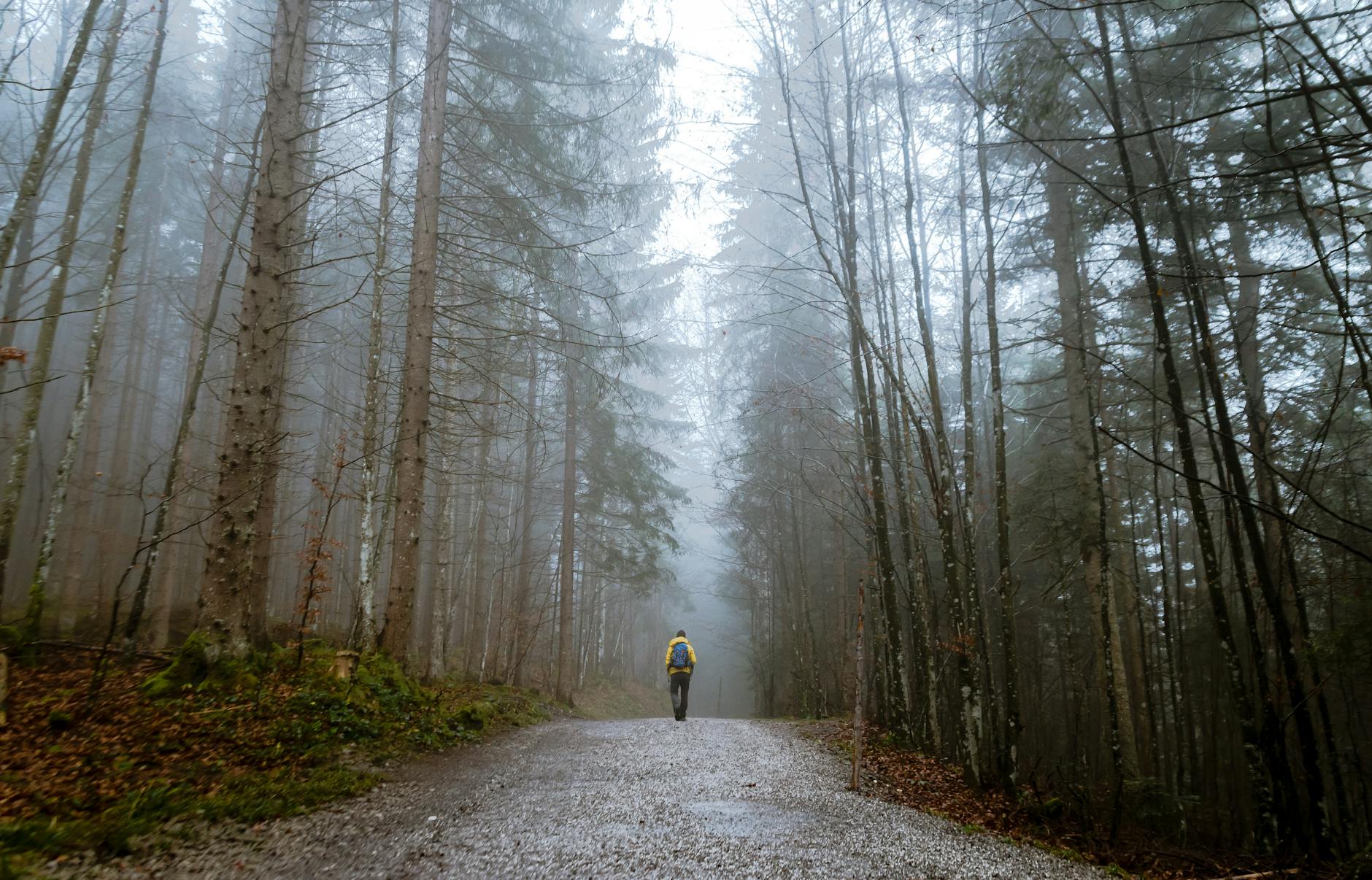
The operative words are “We doe……bynd ourselves……to walke together.” The essential function here was to make churches out of collections of individuals and to establish community.
This covenant guided them to be attentive to how they behaved with each other, supported one another and cared about each other despite any differences that might arise among them. It was a small precursor to the Constitution developed in the growing country in the ensuing centuries, as diversity of belief and culture threatened to bring division and conflict.
The community I live in is not itself a religious community even though it was founded by Quakers. But we share much of our lives in a relatively small area and have many common needs and interests. And, indeed, we literally walk together as our dwellings in the independent living section are spread out on a campus that means we must walk along walkways and paths to go to meals and activities together as well as to just enjoy the beauty of our surroundings.
But we are also continually learning to walk together united in the common purpose of living out our last years not only in safety and comfort, but also in searching and questioning, caring and inspiring, celebrating and learning—— all hopefully with tolerance and understanding. No easy task and a particular challenge for one like me not used to “living in community”. It helps me to think of the early settlers “walking together” when I find myself leaning too much toward solitude and independence.
I think we all, no matter where we live, have to strike a balance between walking together and walking alone. How imporant this is where we find ourselves today in this country and in the world. If I had the discipline I would commit myself each morning to— walk together—- with those I encounter throughout the day and to think carefully about what that actually means. It transcends religion and even political belief or social/economic level or personality. Maybe it has more to do with preserving our humanity in a dangerous world.
 The Continuing Journey